
Tags
Anatomy of a Fall, Justine Triet, Sandra Hüller, Toronto International Film Festival, tt stern-enzi
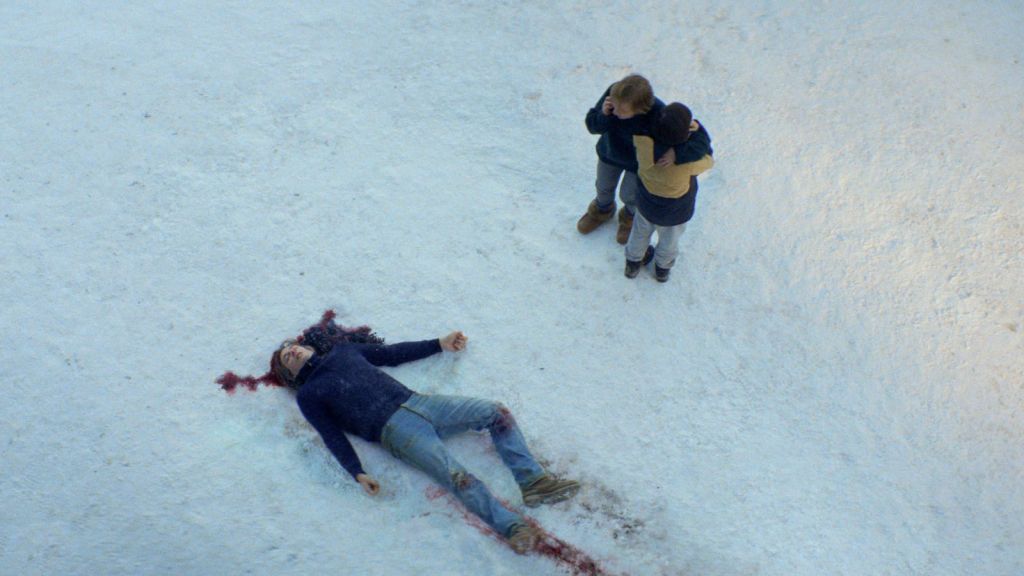
Year after year, I sit down and try to share signature highlights from the Toronto International Film Festival and without fail, it begins with the first film. Yes, I’m having a ‘Captain Obvious’ moment, but there’s no better way to say it. My first film (and quite often my very last screening before I head back to the States) sets the tone for the elevated experience to come.
Yesterday, that film was director (and co-writer along with Arthur Harari) Justine Triet’s Palme d’Or winner ‘Anatomy of a Fall’ featuring the quietly stunning Sandra Hüller’s lead performance as Sandra Voyter, a writer suspected of killing her husband with her blind son Daniel (Milo Machado Graner) as the key witness in the case. Hüller has two awards season contending roles playing at TIFF this year (a buzzy supporting turn in ‘The Zone of Interest’), but she is masterful here, working with Triet to create a riveting legal drama that deftly keeps audiences questioning the theories as to what happened to the husband.
We are presented with a tale of marital strife between two creative people with one partner clearly operating at a different level of acceptance and appreciation of their work, which has relegated the other spouse to the sidelines, shunting them into the role of caretaker for their son after a tragic accident robs him of his vision and sinks the couple into financial trouble. The husband, in the narrative, is never seen alive in the present action, not even at the moment of his fall from the attic of their isolated home where he has been working on renovations. Teasingly, the story offers glimpses into the couple’s last days (and months) via recorded exchanges and second-hand conversations, along with the brilliant and quite simple reconstructions of the theories of how he met his end.
This is where ‘Anatomy’ truly shines and is worth a second (and possibly even a third or fourth) viewing. Who was he in the select moments we’re granted access to and do those exchanges define him or their relationship as a couple? Sandra, ever the practical and savvy writer, argues that moments of frustration should not sum up their lives or be enough to send her away.
Yet, those same moments are all we, as viewers have, and clearly we are meant to examine them, questioning what, of those perspectives, is real and possibly conclusive evidence of a crime. I’ve had the great pleasure of talking about the film with two programmers from the Over-the-Rhine International Film Festival (where I serve as Artistic Director) who attended the same opening screening and each of us parsed all of the presented evidence and are eagerly awaiting an opportunity to dig into it again. As constructed by Triet, the film seeks to frame our experience with the narrative with the same rigorous and pinpoint examination as the case against Sandra.
That’s exactly what I want as a viewer and far more importantly, what is required of a film playing festivals like TIFF and likely on track to be in the awards season conversation. Regardless of the state of the industry with the ongoing strikes and their impact of releases, festivals, and potentially the upcoming awards season, it was a pleasure to sit back, in the hands of an expert storyteller, and embark on a puzzling procedural journey with real emotional stakes and rediscover a performer working at the top of their game.
I may not be sure about what happened, but I know I’ll be thinking about ‘Anatomy of a Fall’ for the rest of my time at TIFF and maybe even months after that.
 terrencetodd