

by tt stern-enzi
We’ve been trained to appreciate the investigative process. Whether watching crack crime scene investigation units in Las Vegas, Miami, or New York scan for minute fibers in carpets or artfully detailed blood splatter patterns along walls or settling in as haunted profilers re-enact horrific murders with methodical precision, we have become so accustomed to walking ever-so carefully in these well-trod steps that there’s a need now for filmmakers to up the ante, to give us something extra, a bit more to make us take note during the familiar, the rote, the same-old, same-old.
I’ve become a fan of Scandinavian crime fiction, in some ways, because it strips away all of the glamor and pretense, the need for the high-tech tools of the trade, dialing the process back to its roots – the very real human awareness and human error of both the criminal and the investigator. When I attend film festivals now, I seek out titles that I know will never play here in the States, the ones from Sweden and Norway with posters featuring lone bodies – sometimes victims, sometimes detectives – captured against white frozen backdrops. I’ve come to expect and appreciate the isolation, the desperation in those environs.
Which leads me to the new release, 6 Souls, opening quietly in Cincinnati (at the Pierce Point Cinema 10 in Amelia) today. It stars Julianne Moore and Jonathan Rhys Meyers and is set, not in one of those cold, desolate Euro-zones, but rather plainly here in the US and it follows the efforts of a world weary forensic psychiatrist named Cara Harding (Moore) who’s still mourning the loss of her husband while taking care of her young daughter and wandering through some of the most dangerous crime scenes imaginable (the dark hidden spaces inside the minds of deadly killers). She’s seen it all, you know the drill, until her psychiatrist father (Jeffrey DeMunn) introduces her to a new patient (Meyers) with multiple personalities. The first two aspects/personalities offer tantalizing and of course highly improbable contrasts. In one case, Meyers essays a young man, paralyzed from the waist down who has seemingly lost his way spiritually, but has a calm, resigned demeanor, while on the flip side, there’s a rugged straight shooter, gruff but honest presence without the paralysis. When Meyers jumps back and forth between these two personas, we see him nearly snap his neck and hear the bones cracking and shifting like tectonic plates under the surface of his flesh. And we see the good doctor Cara as she makes her own snap assessments and proceeds to cure the patient before understanding the reason behind his situation, which we know will come back to bite her later on.
And bite her it does, but its not so simple. Before long, she’s rushing headlong into an investigation (that surprisingly should have been conducted by any and everyone who encountered the character before Cara) that uncovers a metaphysical angle, the notion that this young man might be channeling lost souls, victims of horribly evil crimes. But for what purpose? That’s the question.
So, 6 Souls wanders along in the dark like an odd melding of the Denzel Washington supernatural thriller Fallen and the recently revived AMC series The Killing (I mention it to also highlight that I’m a huge fan eagerly awaiting the premiere of the third season in June), which casts its eerie spell, in part, thanks to directors Mans Marlind and Bjorn Stein with a real penchant for otherworldly suspense and that Swedish knack for keeping things suitably chilly, despite the fact that they succumbed to the attractive lure of Hollywood and made Underworld: Awakening. I found myself getting sucked in to the vibe here, running alongside Cara down every wrong turn, mumbling as I went because I knew we would encounter yet another pointless dead end. Like I mentioned, I wasn’t completely upset with Cara’s logic; the story allows for plenty of blame to be spread around to the largely unseen detectives and investigators who kept coming across Meyers’ character as he dropped new names that would have set off all sorts of alarms with a simple Internet search.
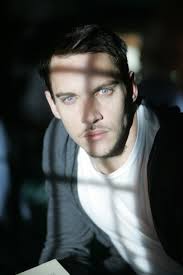
No, don’t worry about logic and/or process, just give yourself over to the mood, because if you can, that is when the journey at the heart of 6 Souls will take root. That is where you might even be able to appreciate the work of Meyers, who invests so much of himself in this character without going over the top (and it would have been so easy to do so – calling Al Pacino, Al Pacino on line one, please). Meyers is no Devil’s Advocate; he truly is a lost soul, especially by the end, when the movie fails him in its frenzied and overly-familiar conclusion. Marlind and Stein want to give us the answers we expect rather than possibly something without explanation. I wish they hadn’t feared losing us. Sometimes in life, there aren’t easy answers.
 terrencetodd
Interesting stuff and i love to read this.
Come back for more. Updating the site a bit more regularly. Hope you enjoy it!